Southern Restaurant Pittsburgh, PA: Best Comfort Food in the City
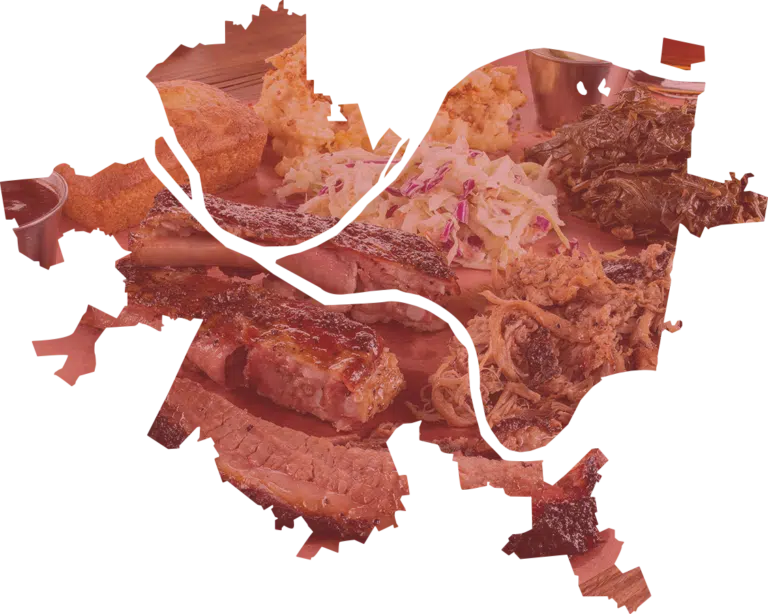
Pittsburgh knows comfort food. It is a city that respects hearty plates, honest cooking, and the kind of meal that feels restorative after a long week. That is part of why Southern food lands so well here. When a kitchen gets it right, the appeal is immediate. Crisp fried chicken, slow braised greens, buttery cornbread, peppery gravy, shrimp and grits with real depth, smoked meats that taste like time and patience, not shortcuts. These are not novelty dishes. They are food memories for some diners and discoveries for others.
The search for a great southern restaurant Pittsburgh, PA diners can trust is not really about finding the biggest portions or the sweetest tea. It is about balance, technique, and consistency. Southern cooking has a reputation for abundance, which is fair, but the best versions are more disciplined than outsiders sometimes realize. Good Southern food depends on restraint as much as generosity. The fry has to stay light. The biscuit has to rise and still hold structure. The greens need bitterness, smoke, and acidity in proper proportion. Even a seemingly simple side of mac and cheese can tell you a great deal about a kitchen’s judgment.
Pittsburgh’s dining scene has matured enough that comfort food no longer has to mean careless food. Diners have become more selective. They want dishes that feel rooted, not gimmicky. They want flavor that comes from stockpots, seasoning, and skill, not just oversized plating. That shift has made Southern restaurants especially interesting in the city, because the cuisine rewards cooks who understand both tradition and adaptation.
Why Southern food fits Pittsburgh so well
There is a practical reason Southern food resonates here. Pittsburgh has long favored meals that satisfy on a visceral level. This is a city built on weather, labor, neighborhood loyalty, and unpretentious taste. Even as the restaurant scene has grown more ambitious, the local palate still appreciates food that feels grounded. Southern cooking speaks that language naturally.
There is also an emotional component. The best Southern restaurants create a sense of hospitality that reaches beyond the menu. You notice it in the pacing of service, in the way sides are treated as essential rather than decorative, and in the atmosphere around the table. People stay longer. They order dessert even when they said they would not. They pass bites around. They argue, pleasantly, over which version of hot sauce works best with fried catfish. It is the sort of cuisine that encourages conversation.
That matters in Pittsburgh, where neighborhood dining still carries weight. A strong restaurant can become part of someone’s weekly routine, their birthday rotation, their default place to bring out of town relatives. Southern restaurants often excel in that role because they bridge occasion dining and everyday dining so well. You can justify the meal as a celebration, but you can also stop in on a rainy Tuesday and feel like you made a good decision.
What separates a memorable Southern restaurant from a mediocre one
A lot of places can mimic Southern food at the surface level. Fewer can execute it with confidence. The difference usually becomes obvious within the first ten minutes, sometimes with the first basket on the table. If the cornbread is dry, the biscuit tastes preplanned rather than fresh, or the fried coating turns greasy as it cools, expectations should drop quickly.
A serious Southern kitchen pays attention to fundamentals. Frying temperature matters. So does salt discipline. So does the willingness to cook components separately rather than forcing one-note richness across the whole menu. Great Southern food is often indulgent, but it should not be heavy in a dull way. The best plates carry contrast. Crunch against softness. Bright pickles against smoky meat. A little vinegar to wake up braised greens. Pepper to sharpen creamy gravy.
The restaurants worth revisiting usually share a few traits:
- Their sides are as strong as their mains.
- They season boldly without turning every dish salty.
- They respect texture, especially in fried foods and baked breads.
- They avoid turning comfort into excess for its own sake.
- They deliver consistency on busy nights, not just slow ones.
That last point is more important than many diners realize. Southern food draws crowds. Weekend brunches run hot, dinners fill quickly, and a kitchen under pressure reveals its habits. A truly dependable restaurant can send out crisp chicken, creamy grits, and hot biscuits even when every table is full. That is not glamorous work. It is operational discipline.
Fried chicken is still the benchmark
If you want to judge a Southern restaurant quickly, order the fried chicken. It remains the clearest test because it asks for so much at once. The seasoning must penetrate beyond the crust. The breading needs character, but it cannot become a hard shell. The meat should stay juicy all the way to the bone. Timing is critical. Resting is critical. Oil management is critical.
In Pittsburgh, where diners are generally willing to commit to a substantial plate, fried chicken has become a kind of shorthand for whether a restaurant understands its own identity. When it arrives hot and fragrant, with a crust that shatters lightly rather than peeling off in sheets, the table usually gets quiet for a second. That reaction tells you everything.
The best versions often come with small but telling choices. Maybe there is a touch of cayenne in the dredge. Maybe the crust skews toward black pepper. Maybe the kitchen pairs it with a house made honey butter, sharp pickles, or a vinegar-forward slaw that cuts through the richness. None of those touches are mandatory, but good ones show intent. Weak ones feel copied from trendier menus elsewhere.
Chicken and waffles deserves a separate note because it can be either excellent or deeply forgettable. Too often, restaurants treat it as a brunch gimmick, leaning on sweetness and size while ignoring balance. A good plate needs contrast. The waffle should have structure, the chicken should remain the star, and the syrup or sauce should support rather than drown. When all of that lines up, it can be one of the most satisfying meals in the room. When it does not, it tastes like three ideas colliding.
Biscuits, cornbread, and the bread basket test
People tend to focus on mains, but bread tells the truth. Biscuits in particular are unforgiving. They expose stale flour, bad lamination, overworked dough, and rushed baking. A proper biscuit should feel light but not hollow, rich but not greasy, sturdy enough to split cleanly, tender enough to yield without effort. The exterior ought to have color. Pale biscuits usually signal hesitation in the oven or weakness in the dough.
Cornbread raises its own debate, especially for diners with strong regional preferences. Some want it savory and skillet baked, with a crisp southern-style dining Pittsburgh PA edge and just enough sweetness to support the corn. Others want a sweeter style, softer and closer to cake. Neither camp is wrong. What matters is whether the restaurant commits to a style and executes it well. Confused cornbread, half sweet and half dry, tends to satisfy nobody.
At strong Southern restaurants, bread service does more than fill the table. It sets the pace. Fresh biscuits encourage a slower meal. A warm slice of cornbread with butter can soften the wait for entrées in a way that feels intentional rather than compensatory. Small details like that shape the dining experience more than diners often admit.
The sides are not side characters
One of the quickest ways to spot an underdeveloped Southern menu is to look at the sides. If they read like obligations, the whole operation may be shallow. In Southern cooking, sides carry history, technique, and often the most distinct flavors on the table.
Collard greens should not taste like wet spinach. They need body, seasoning, and some backbone. Whether that comes from smoked meat, stock, pepper vinegar, or a long careful simmer, the result should feel alive. Mac and cheese should be creamy, yes, but also structured. Soupy macaroni under a cheese blanket is a cafeteria move, not restaurant craft. Candied yams can be wonderful when the sweetness is controlled. Black eyed peas need depth, not just softness. Slaw should refresh, not merely occupy plate space.
Grits deserve special attention because they expose shortcuts immediately. Proper grits have a texture that sits somewhere between silk and grain. Instant grits flatten into paste and leave no room for nuance. Slow cooked grits, enriched thoughtfully, carry butter, stock, cream, cheese, or pan juices in a way that feels integrated. With shrimp, they should support the shellfish and sauce. Under a braised meat or a fried egg, they should still maintain their own flavor.
I have had meals where the entrée was good but the sides made the restaurant memorable. That is common in the best Southern spots. A spoonful of smoky greens or a perfectly baked spoonbread can stay with you longer than a larger, flashier main course.
Barbecue, low and slow cooking, and where expectations can get messy
Some diners use Southern food and barbecue interchangeably. They overlap, but they are not the same thing. A Southern restaurant may serve excellent barbecue, decent barbecue, or none at all. It may focus instead on coastal seafood, soul food staples, or brunch centered comfort dishes. That distinction matters because expectations can become unfair if people walk in wanting one regional tradition and judge the kitchen for not being another.
That said, if a Southern restaurant in Pittsburgh offers smoked meats, the standard should still be high. Good barbecue takes more than smoke flavor. The meat must carry proper texture and moisture. Sauce should complement, not conceal. Brisket, pulled pork, ribs, and smoked chicken each demand different handling. Dry meat with a sweet bottled glaze is not rescued by a rustic presentation.
Pittsburgh diners have become more barbecue literate over the years, which is healthy for the scene. It means restaurants cannot rely on smoke alone. They need seasoning, bark, tenderness, and side dishes that belong on the same plate. It also means diners should read menus with care. A restaurant that excels at shrimp and grits or fried catfish may not want to compete as a full barbecue house, and that is perfectly reasonable.
Brunch is where many Southern restaurants either shine or slip
Southern brunch is one of the easiest meals to crave and one of the hardest to execute under pressure. The menu sounds inherently appealing. Biscuits and gravy, chicken and waffles, pimento cheese omelets, grits bowls, praline bacon, French toast, maybe a spicy hash with eggs on top. But brunch compresses service, crowd management, and kitchen timing into a short and often chaotic window.
This is where a southern restaurant Pittsburgh, PA locals recommend usually proves itself. Can the kitchen keep eggs accurate while maintaining fried food quality? Can it send out gravy hot and smooth rather than broken and thickened into paste? Are the potatoes actually crisp? Does the coffee arrive fast enough to buy patience when the room fills up?
When brunch works, it can be the most convincing expression of Southern hospitality in the city. The meal feels generous but not formal. Families settle in. Couples linger. Friends order one more round of coffee or a final biscuit to share. When brunch fails, the flaws are hard to hide because the dishes are familiar and the expectations are clear.
The atmosphere matters more than people think
Southern restaurants succeed partly on flavor and partly on feel. That does not mean every place needs porches, reclaimed wood, or a soundtrack calibrated for nostalgia. In fact, overdesigned spaces can work against the food if they start to feel theatrical. What diners usually want is warmth without kitsch, comfort without laziness, and service that feels practiced rather than overperformed.
A dining room can be modern and still feel Southern if the hospitality is right. Servers who know the menu, pacing that allows the table to breathe, and genuine guidance on portions or spice levels all matter. Southern food often encourages abundance, so thoughtful service becomes essential. Nobody enjoys feeling pushed into overordering just because the menu reads deliciously.
There is a useful difference between friendliness and care. Plenty of restaurants can sound friendly. Fewer demonstrate care in the way they fire courses, replace utensils, explain a special, or catch that the table might want extra napkins before the ribs arrive. Southern dining at its best includes that instinctive anticipation. You feel looked after, not managed.
How to order if you want the full experience
If you are visiting a Southern restaurant in Pittsburgh for the first time, ordering strategically helps. The cuisine rewards a little planning, especially if you are dining with two or more people and want range rather than a single heavy plate.
A smart first visit usually looks like this:
- Start with either biscuits or cornbread, not both unless the table is large.
- Choose one fried item and one slow cooked or braised dish for contrast.
- Order at least two sides you would never make at home on a weeknight.
- Leave room for dessert, especially banana pudding, cobbler, or bread pudding if offered.
- Ask what the kitchen is proud of that day, not just what is popular.
That approach gives you the best chance of seeing whether the restaurant has depth. A lot of menus can impress with one flashy dish. Fewer hold together across breads, mains, sides, and dessert. Southern desserts, by the way, deserve serious attention. Banana pudding seems simple, but texture matters. Cobbler needs fruit that still tastes like fruit. Bread pudding should remain custardy, not stodgy. Even pecan pie can divide a room if the filling tips too far into syrup.
Value, portion size, and what “worth it” really means
Southern food is often associated with big portions, and Pittsburgh diners tend to appreciate that. Still, value is not just about volume. A plate that leaves you with leftovers but skimps on seasoning is not a bargain. Likewise, a smaller portion that tastes complete and carefully composed may be more satisfying than a platter built only for scale.
The most worthwhile Southern restaurants usually get three things right at once. They serve enough food to feel generous, they maintain quality across the plate, and they price dishes in a way that reflects labor without drifting into parody. That last point matters because Southern cuisine is sometimes undervalued. Long braises, careful frying, fresh baking, and scratch made sides take time and staffing. Diners want affordability, understandably, but they also want real cooking. Those two priorities can pull against each other.
A good restaurant resolves that tension by being selective. Maybe the menu is tight rather than sprawling. Maybe the daily special uses what the kitchen can execute best that week. Maybe lunch offers a more accessible entry point than dinner. These are signs of judgment, not limitation.
What to watch for if you have dietary preferences or restrictions
Southern food can be generous to some dietary needs and tricky for others. Gluten free diners may find options in grilled meats, greens, beans, and certain seafood dishes, but fryers and gravies can create obvious risks. Vegetarians often run into hidden meat in beans, greens, and broths. People cutting back on salt or richness may struggle unless the restaurant offers a few brighter preparations.
This is where transparent service becomes crucial. The strongest restaurants can explain what actually goes into a dish. They know whether the green beans are cooked with pork, whether the grits use stock, whether the slaw carries dairy, whether the cornbread contains wheat flour only or additional allergens. That knowledge builds trust.
There is also a broader point here. A Southern restaurant does not need to water down its identity to accommodate every preference, but it should know its own food well enough to guide guests honestly. Better to hear a clear no than a vague yes followed by disappointment.
The best comfort food in the city is rarely about nostalgia alone
People often talk about Southern food in emotional language, and that makes sense. It is intimate cuisine. It can remind diners of grandparents, road trips, church suppers, neighborhood spots, family reunions, or college weekends spent recovering over brunch. But memory alone does not make a restaurant good. Technique does. Restraint does. Care does.
That is why the strongest Southern restaurants in Pittsburgh stand out. They do not lean only on the idea of comfort. They earn it through execution. Their fried chicken stays crisp. Their biscuits deserve the table space. Their sides matter. Their hospitality feels natural. Their menus reflect a point of view rather than a checklist of expected Southern dishes.
For diners searching for the best comfort food in the city, that is the standard worth using. Not just whether the meal is filling, or photogenic, or trendy for the season, but whether it delivers the kind of satisfaction that makes you think about returning before you have even paid the check. In a city that respects honest food, Southern cooking has every chance to thrive. When it is done well, it does more than feed people. It settles them.
Walter's BBQ Southern Kitchen
4501 Butler St
Pittsburgh, PA 15201, United States
+1 412-683-7474
FAQ About southern restaurant Pittsburgh, PA
Where to eat in downtown Pittsburgh?
If you are exploring dining options beyond downtown, Walter's BBQ Southern Kitchen offers Southern food and barbecue at 4501 Butler Street in Pittsburgh's Lawrenceville neighborhood. It is outside downtown, so allow travel time when planning your visit.
What is a must eat in Pittsburgh?
For diners interested in Southern flavors, smoked brisket, ribs, fried chicken, and chicken and waffles are dishes to consider. Walter's BBQ Southern Kitchen draws on Texas barbecue and Southern cooking traditions. Check the current menu for the dishes available during your visit.
What are some of Pittsburgh's unique restaurants?
Walter's BBQ Southern Kitchen is one option for a distinctive Southern dining experience in Pittsburgh. Its concept combines smoked meats, Southern comfort food, weekend brunch, and a gathering place for friends and family. The restaurant is located on Butler Street in Lawrenceville.